Blog ·
Why Proper Insulation Matters More Than You Think
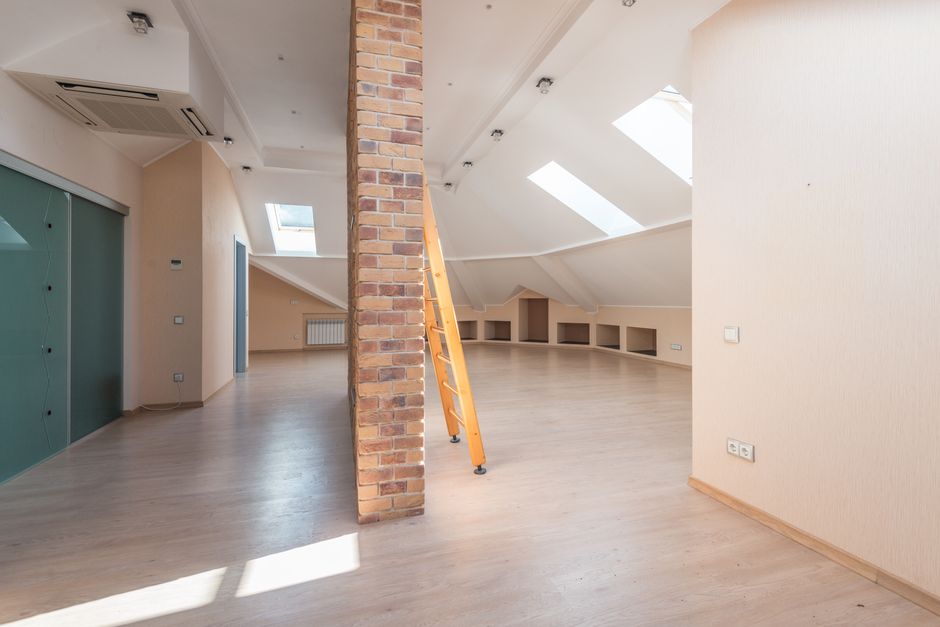
Your home's insulation is one of its hardest-working systems, yet many homeowners never give it a second thought—until their heating and cooling bills arrive. Understanding how insulation protects your comfort and wallet is the first step toward making informed decisions about your home.
Insulation works by trapping air and slowing heat transfer. During winter, it keeps warmth inside your home. During summer, it prevents external heat from entering. This constant performance means your heating and cooling systems don't have to work as hard, which directly translates to lower energy bills and reduced strain on equipment that might otherwise fail prematurely.
The most commonly overlooked insulation areas in homes are the attic, basement, and spaces around windows and doors. An uninsulated or poorly insulated attic can account for significant heat loss in winter and unwanted heat gain in summer. Similarly, gaps around windows and doors create pathways for air to escape, making it harder to maintain consistent indoor temperatures.
Different areas of your home require different insulation values, typically measured as R-value. Higher R-values indicate greater insulating power. Your attic might benefit from R-38 to R-60, while walls typically need R-13 to R-21, depending on your climate. A professional assessment can determine your home's specific needs.
Beyond temperature control, proper insulation provides several additional benefits:
- Moisture control by creating a barrier that reduces condensation buildup
- Sound dampening, making your home quieter and more peaceful
- Increased structural integrity when properly installed
- Extended lifespan of HVAC systems through reduced demand
- Improved indoor air quality by minimizing drafts and air infiltration
The timing of insulation improvements matters. Fall and spring are ideal seasons for addressing insulation issues before peak heating and cooling demands arrive. Early intervention prevents the discomfort of temperature swings and the financial hit of inefficient operation.
Quality insulation installation requires attention to detail. Gaps, compression, or improper placement significantly reduce effectiveness. This is why professional installation often outperforms DIY approaches, ensuring materials are properly positioned to maximize performance.
Your home's comfort and your family's well-being depend on maintaining proper temperatures year-round. When you invest in quality insulation appropriate for your climate and home design, you're investing in consistent comfort, lower utility expenses, and a more durable home structure that will serve your family well for decades.