Blog ·
Selecting the Right Siding: Protecting Your Home's First Line of Defense
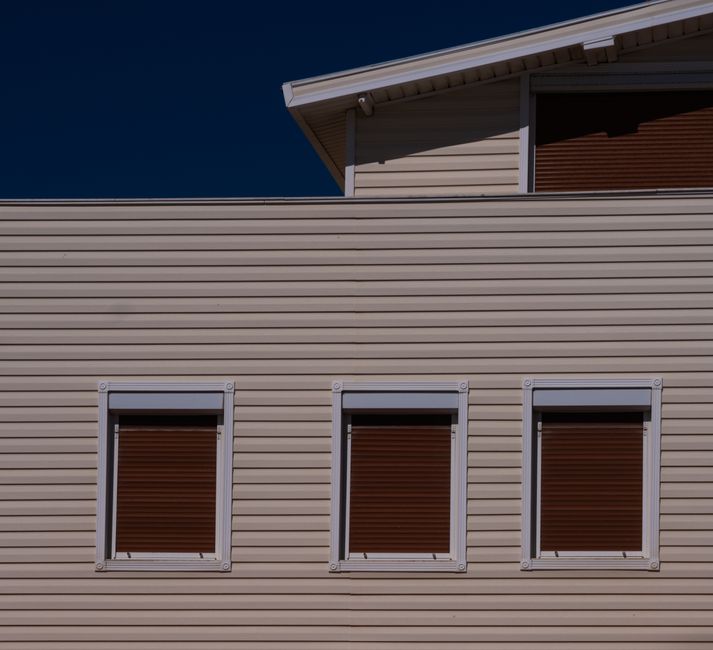
Your home's siding does more than define its appearance—it serves as the primary barrier protecting your home from weather, moisture, pests, and temperature extremes. Selecting the right siding material means choosing protection that will last for decades while requiring reasonable maintenance.
Homeowners today have several siding options, each with distinct advantages. Traditional wood siding offers classic beauty but requires regular painting and maintenance to prevent rot and insect damage. Vinyl siding provides a low-maintenance option that resists moisture and doesn't require painting, though it can become brittle in extreme cold. Fiber cement combines durability with aesthetic versatility, resisting rot, insects, and fire, though it requires periodic painting. Metal siding offers exceptional durability and fire resistance, making it increasingly popular in various climates.
Beyond material selection, quality installation matters tremendously. Improperly installed siding leaves gaps that allow moisture to enter behind the exterior, potentially causing structural damage that becomes expensive to repair. Professional installation ensures proper overlapping, appropriate fastening, and correct handling of corners, windows, and transitions.
Consider your climate when choosing siding. Homes in humid regions benefit from materials that resist moisture penetration. Coastal properties face salt spray corrosion, favoring materials like fiber cement or metal. Cold climates require siding that won't become brittle or crack during freeze-thaw cycles.
Maintenance requirements vary significantly by material:
- Wood siding needs regular inspection and refinishing every few years
- Vinyl siding requires occasional cleaning and can show imperfections in sunlight
- Fiber cement provides excellent durability but needs repainting every 10-15 years
- Metal siding resists most damage but may require touch-ups if dents occur
Quality siding also affects your home's energy efficiency. Properly installed siding, especially when combined with appropriate insulation, creates a weather-tight envelope that prevents air infiltration and moisture problems. This teamwork between exterior siding and interior insulation is essential for optimal performance.
When evaluating siding options, consider the total cost of ownership—not just initial installation but long-term maintenance and replacement schedules. A slightly higher upfront investment in durable materials often proves more economical over the decades your home stands.
Your home's exterior protection is too important for shortcuts. Investing in quality siding materials matched to your climate and professionally installed provides decades of reliable protection while maintaining your home's structural integrity and aesthetic appeal.